Friday, January 16, 2026

Rafael Hernandez on Venezuela


Cuba and the US: Lessons and Counter-lessons from the Intervention in Venezuela

First of all, let's remember the saying that "there is no foreign policy like domestic policy."

To examine in an equitable manner the geopolitical situation created by the US intervention in Venezuela and its implications for Cuba requires starting by taking a step back. 

First of all, let's remember the saying that "there is no foreign policy like domestic policy."
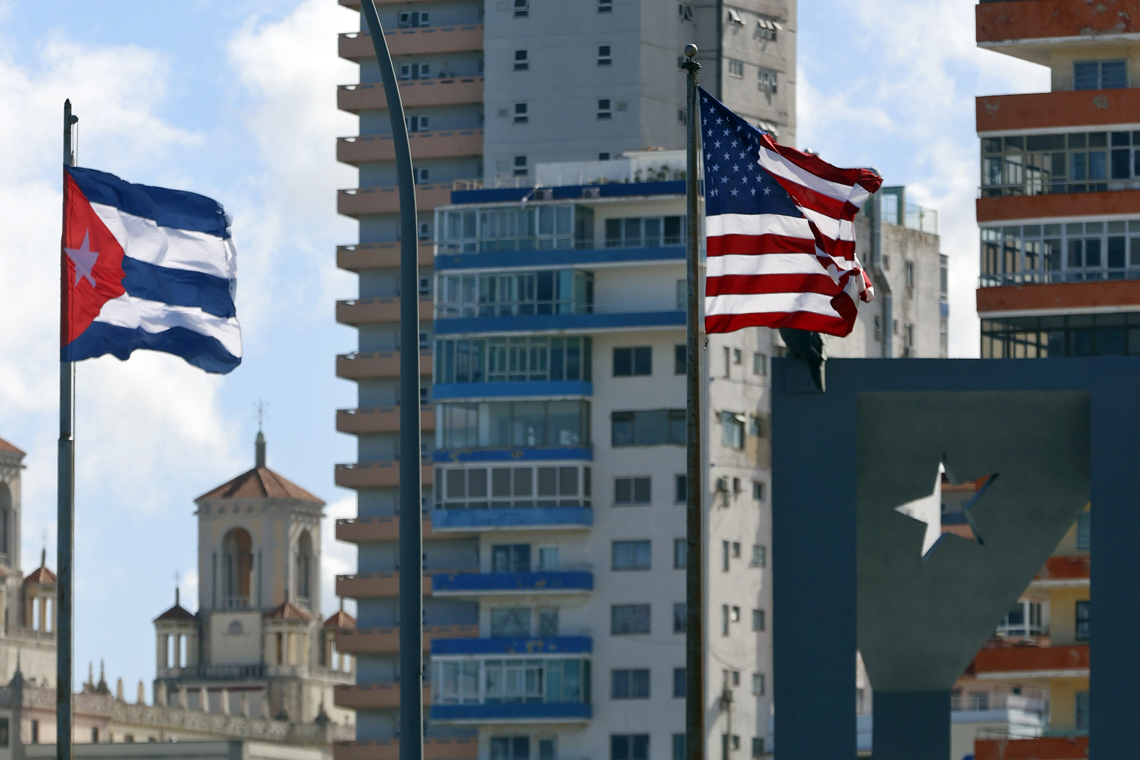
The distortion of what was happening here was the first challenge the Cuban leadership had to face. This led to the establishment of the first embassies of high-ranking officials in the United States, Latin America, Africa, and Asia, where a global foreign policy and a pluralistic and autonomous network of alliances began to be forged with the emerging Global South and with various actors in the Global North. The implementation of the reform program, beginning with agrarian reform, and the recovery of national sovereignty, social justice, and development were the fundamental ingredients of the consensus and mobilization necessary to advance that revolutionary domestic and foreign policy. These ingredients allowed for the rapid creation of a national defense and security system in the face of a counterrevolution backed by the United States, which had produced a nationwide civil war and an invasion. It was the perpetuation of this conflict by the United States and the continuation of its undeclared war that prevented the internal defeat of that counterrevolution in 1961-1963 from leading to reconciliation later on. And it was their geopolitical interests that prevailed, above Cuba, the Cubans and their national interests, to continue feeding that exiled counter-revolution and refunctionalizing it in their domestic political game. 

Naturally, on our side, this state of war meant that the US factor remained a constant presence in domestic politics. Consequently, the level of tension in our bilateral relations has acted as a conduit to the internal situation. Almost always to the detriment of our domestic affairs, as is to be expected.

Before discussing the extent to which our domestic/foreign policy can respond to the current challenges of the Venezuelan crisis and US interventionism, I want to return to some points that contradict “the narratives” related to the place of Cuba and Cubans in this complex geopolitical context. 

This is not the first time Cuban military and security advisors have collaborated with established governments in Latin America and the Caribbean. They did so with Salvador Allende in Chile (1970-73), with the Sandinista National Liberation Front in Nicaragua (1979-1990), and with Maurice Bishop in Grenada (1979-83). Of course, their influence was far less than that of civilian collaboration with these and other governments, as has also been the case in Venezuela. 

Their role in security or advising those countries and governments did not involve troops deployed for military operations. However, they did have that role in the fields of health, education, and sports, providing thousands of doctors and healthcare workers, teachers, and sports and arts instructors. 

Furthermore, both the civilian workers in Grenada and the small group of military personnel performing personal security duties in Venezuela found themselves caught up in a US intervention that far exceeded their mission, numbers, and available resources. The lesson of the 24 who fell in Grenada, as well as the 32 in Venezuela, is that they could have chosen not to confront a force so many times superior; and that their resistance was not merely their commitment or loyalty to the cause, nor did it stem from ideological fanaticism or suicidal tendencies; rather, it was part of a patriotic political culture, active wherever they were entrenched. There, too, they were defending their homeland. 
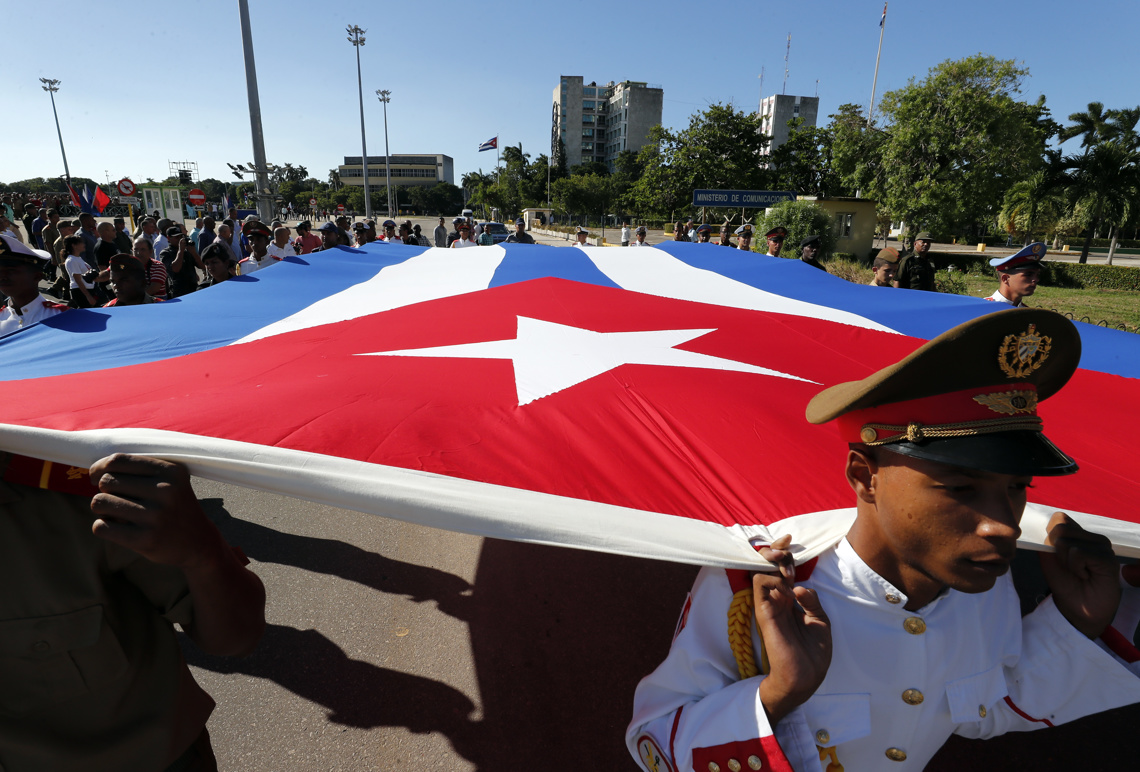
Photograph from October 27, 2022. Photo: EFE/ Ernesto Mastrascusa.

Lest anyone think this is just a slogan, I want to emphasize that this is relevant military intelligence for a scenario of aggression against Cuba. It was the anti-lesson learned by the CIA officers who planned the Bay of Pigs invasion, as well as by the JFK administration, who were assured by newly arrived Cuban exiles that the Cuban militia and army would not fight. 

Of course, we are not in the years of the October Crisis, or of the internationalist missions in Angola, or of the economic alliance and military supply with the USSR, but in the post-Cold War world, where we are left "alone with imperialism," as Kiva Maidanik said.  

When that geopolitical shift occurred, there was no dialogue with Cuba. Instead, the US passed the Torricelli Act, aimed at “tightening the US embargo against Cuba and promoting democratic change on the island.” So cars in Little Havana were plastered with stickers proclaiming “Next Christmas in Havana,” and a best-selling book titled * Castro’s Final Hour * (“this time for real”) emerged as the guide to that downfall. Although no one would have paid much attention at the time, among its readers was a young man studying for his degree in Political Science at the University of Florida, named Marco Rubio. Nearly 35 years have passed since then. 

One of the lessons learned from Operation Absolute Resolve is that despite its meticulous planning and the use of disproportionate force (for the objective of kidnapping a head of state), a handful of Cuban soldiers were able to fight them for two hours. The official narrative about the operation's flawless efficiency would have been untenable if even one of the infiltrations into the Venezuelan defense system had failed, or if the Cubans had received reinforcements.

Another lesson, or rather counter-lesson, is that drawing conclusions about Cuba from the Venezuelan case is risky, to say the least. Especially if one overlooks the vast differences between the two countries in terms of history, economics, society, culture, political systems, and armed forces. Assuming the US is unaware of this underestimates its level of knowledge about the real Cuba.  

According to the CIA (Cuba Military 2024, CIA World Factbook), “the Revolutionary Armed Forces (FAR) are a central pillar of the Cuban regime and are considered the guardians of the revolution. The FAR are largely focused on protecting territorial integrity and the state, and perceive the United States as their main threat. The military, which once numbered over 200,000, is now estimated at around 40,000 soldiers and is a conscription-based force equipped with Soviet-era weapons and equipment.”

The CIA knows this and much more. According to Globalmilitary.net (Cuba Military Forces & Defense Capabilities), “the Cuban Army has around 50,000 active personnel and a robust reserve and paramilitary force exceeding one million, which facilitates rapid mobilization for the defense of the national territory.”

In strategic terms, according to the same source, Cuba maintains “a defensive doctrine that emphasizes territorial protection through a 'people's war' strategy based on mass mobilization… and a military posture oriented toward deterrence within geopolitical limitations.” “These efforts position Cuba to maintain a credible defense within fiscal and technological limits.”

“Cuba’s military modernization is characterized by a focused effort to upgrade Soviet-era equipment, especially air defense systems, through collaboration with Belarus and Russia. Although limited in scope due to economic and geopolitical factors, these initiatives improve Cuba’s defensive capabilities.”

In short, according to global military and security platforms, Cuba maintains effective and appropriate levels of defense for its needs, limited to deterrence and defensive resilience. The observation that this occurs “within geopolitical constraints” is not superfluous. None of these platforms—MilitarySphere.com, Globalmilitary.net, Armyrecognition.com, Globalfirepower—records anything resembling foreign military bases on the island. Despite speculation surrounding Chinese or Russian installations, which some “serious media outlets” have echoed, neither Trump nor Rubio have used this argument in their references to Cuba.     

Another fundamental difference with respect to Venezuela in security matters is the cooperative relationship with the US, particularly in priority areas such as migration control and the interception of drug trafficking in the Caribbean and surrounding waters. 

This cooperation has included various topics, on which progress was made not only with Democratic administrations, but also with the Republican administration between 2017 and 2020. Between 2015 and 2024, eight bilateral working groups were agreed upon to jointly address terrorism, the illicit trafficking of migrants and immigration fraud, money laundering and other financial crimes, legal assistance in criminal matters, trade security and protection of persons, human trafficking, cybersecurity and cybercrime (“Background and necessary assessments on official bilateral cooperation between Cuba and the United States, on Law Enforcement and Compliance”, December 17, 2025, presentation by the Center for International Policy Research)
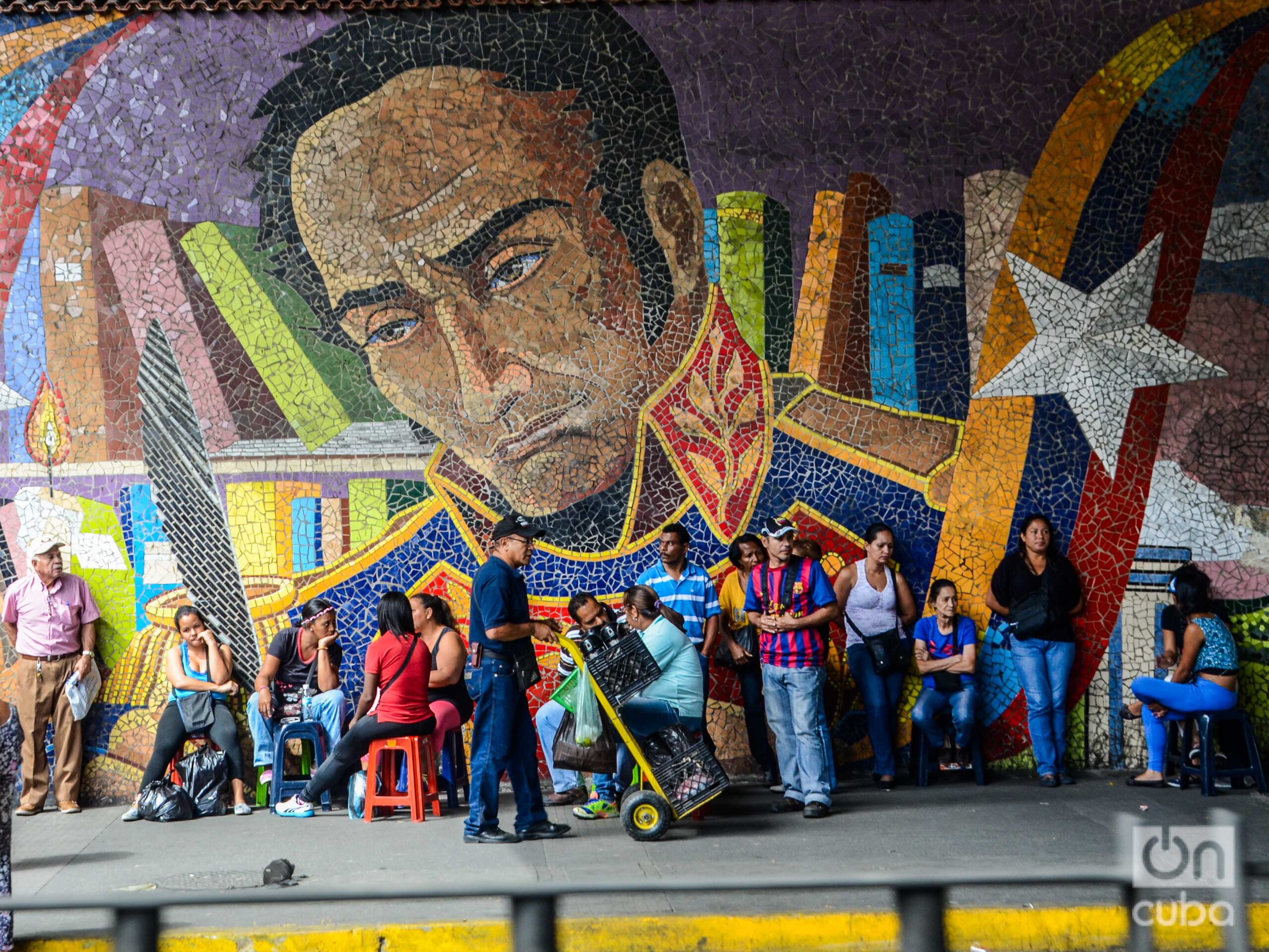
Caracas. Photo: Kaloian.

Building a dossier on Cuban leadership and Cuba itself, like the one the US constructed to prepare for aggression against Venezuela, contradicts all of this. Some readers will tell me that Trump is capable of crafting a narrative that ignores these interests and this cooperation, as he has done by paralyzing it throughout 2025. Certainly. But neither he nor Rubio himself have found it logical to extend the logic of military force against Venezuela to Cuba. Despite the sensationalist interpretations that his references to Cuba have generated in some media outlets, the argument "Cuba will collapse on its own" has prevailed; because what remains for the US is to "destroy the place," an option that would not achieve what is supposedly the objective: "to bring democracy and freedom to the Cuban people." It would merely "punish the regime," with few practical results in its political aims. Because one thing is "the narrative," and another is the execution.

Here we come to another fundamental difference between Venezuela and Cuba that many overlook, and which we could define as the political economy of intervention. 

What was the real objective of Operation Absolute Resolve?

The current phase of the intervention has made it even more evident that its goal was to secure that nearby oil and that its constituents are the oil corporations. The takeover of Venezuela is the most blatant and current manifestation of imperialism, as described by its scholars and theorists at the beginning of the 20th century. 

According to this characterization, the US doesn't need to occupy Venezuela, nor even establish military enclaves on its territory, nor seize its oil fields and other even more strategic minerals. As Admiral Alfred T. Mahan would say in his classic texts on geopolitics, what the US needs is to administer these territories as its new possessions. And if the current rulers were to comply with this new order, it would have achieved its objective at minimal cost.

A corporate man like Trump, proud of his skills in resolving conflicts by applying his peculiar version of realpolitik, would probably be willing to "balance the books" with a Cuban leadership that was willing to give in to his interests. 

If we were to momentarily consider extending to Cuba the policies devised for Venezuela, we would find some interesting results, and results that are highly contradictory to certain accepted notions about their purpose. Although we know this is a very improbable scenario, it is worth examining because of what it reveals about the consistency and nature of those policies. 
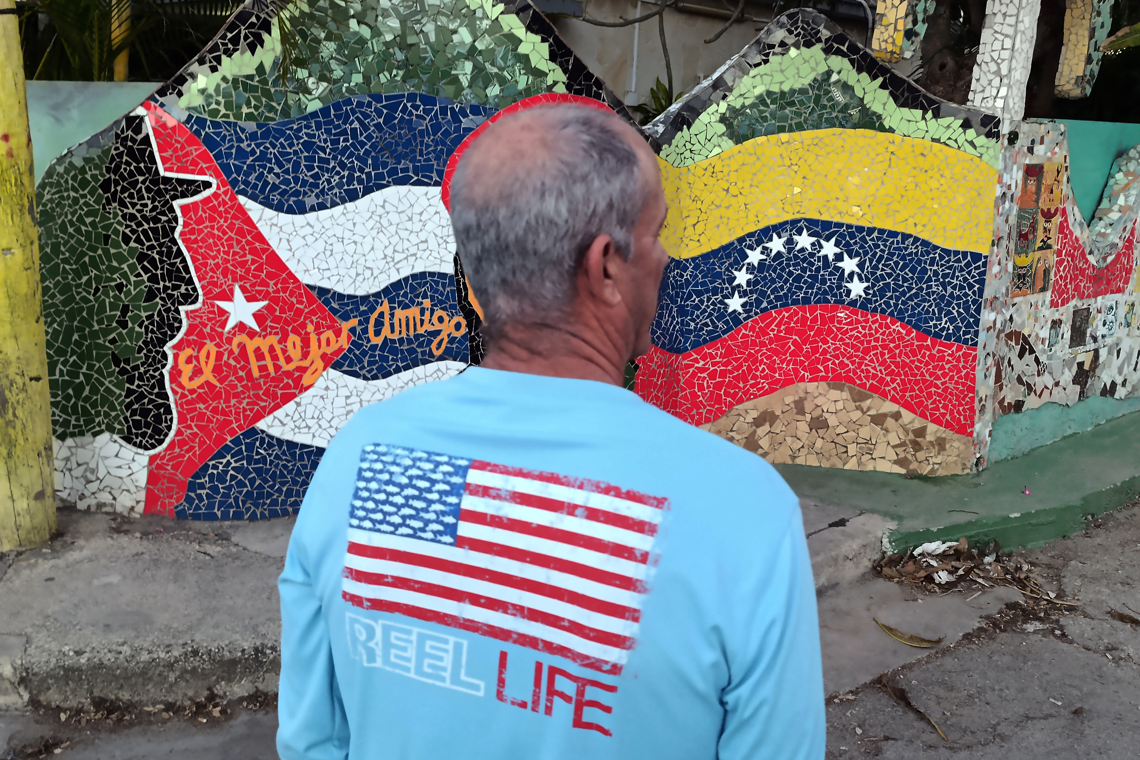
Havana. Photo: EFE/ Ernesto Mastrascusa.

The first thing that stands out in Rubio's plan for Venezuela—stabilization-recovery-transition—is that the issue of "democracy and freedom" is relegated to the background. Indeed, this formula prioritizes ensuring public order and the functioning of existing institutions, as opposed to the turbulence that an abrupt attempt at "democratizing" political change would generate. 

Once that stability is secured, economic recovery would follow. As is well known, given the structural nature of many problems and their internal/external interrelationships, this recovery in Cuba could not be achieved in a few months, and in some aspects, according to most experts, it would require years. The most obvious consequence is that external capital would be essential in several sectors. But investing in an economy whose deficits begin with infrastructure (energy, water, roads, railways, etc.), a sector that would not guarantee short-term profits, cannot be solved with a magic wand. This alone should be enough to realize that the issue of recovery is more complex than it seems.

Then would come “the transition,” which would be the transformation of the political model. Although it is possible to imagine it, right now it is not clear how and to what extent the current one would be transformed. And even less clear who would be the protagonists of that change.

If Rubio's plan were to truly encourage policy towards Cuba, they should instead focus on facilitating a policy of reforms like the one the current Cuban government is obligated to implement to guide the recovery. 

Instead of besieging and threatening it, it should replicate the policy George H.W. Bush pursued toward China in 1978, when he re-established relations; and the policy promoted by Republican Senator John McCain and Democrat John Kerry to re-establish relations with Vietnam (1995). These reforms did not respond to threats or external dictates, but rather emerged from changes within the communist parties themselves. 

Learning from these lessons, they might also realize that the Chinese and Vietnamese diasporas did not play a leading role in generating the reforms, although they did benefit greatly from Reform and Opening Up and Doimoi. This benefit extended beyond the opportunities created for their return and active participation in the economy, encompassing education, culture, science, and, more generally, reintegration into their societies of origin, rather than continuing to oppose them and supporting the recalcitrant and isolationist policies of their historical exiles. 

Thanks to the maintenance of these relations, and the continued dialogue between the US and these two governments at the highest level, their companies, universities, cultural institutions, and many government agencies, such as those for environmental protection, fighting organized crime, drug trafficking, etc., were able to coordinate and advance to the benefit of their interests.  

For these reforms to succeed, a strong state was needed, capable of rebuilding a modern public sector that would promote and oversee development, guarantee welfare and basic social services, and drastically reduce poverty. Without such a strong state, it is impossible to guarantee stability or achieve the intermediate goal of recovery, on the path to a comprehensive modernization of the entire system.

The opportunities to influence these internal and external changes lie more in dialogue than in ultimatums, in cooperation than in threats. Threats can only provoke reactions in defense of sovereignty and national independence, which Cubans fiercely protect; increase the legacy of mistrust accumulated with the United States; and ultimately, damage the climate of freedom and debate necessary to advance change. This has been the typical effect of the siege fortress mentality, which should be no mystery to the United States or to anyone familiar with Cuba.    
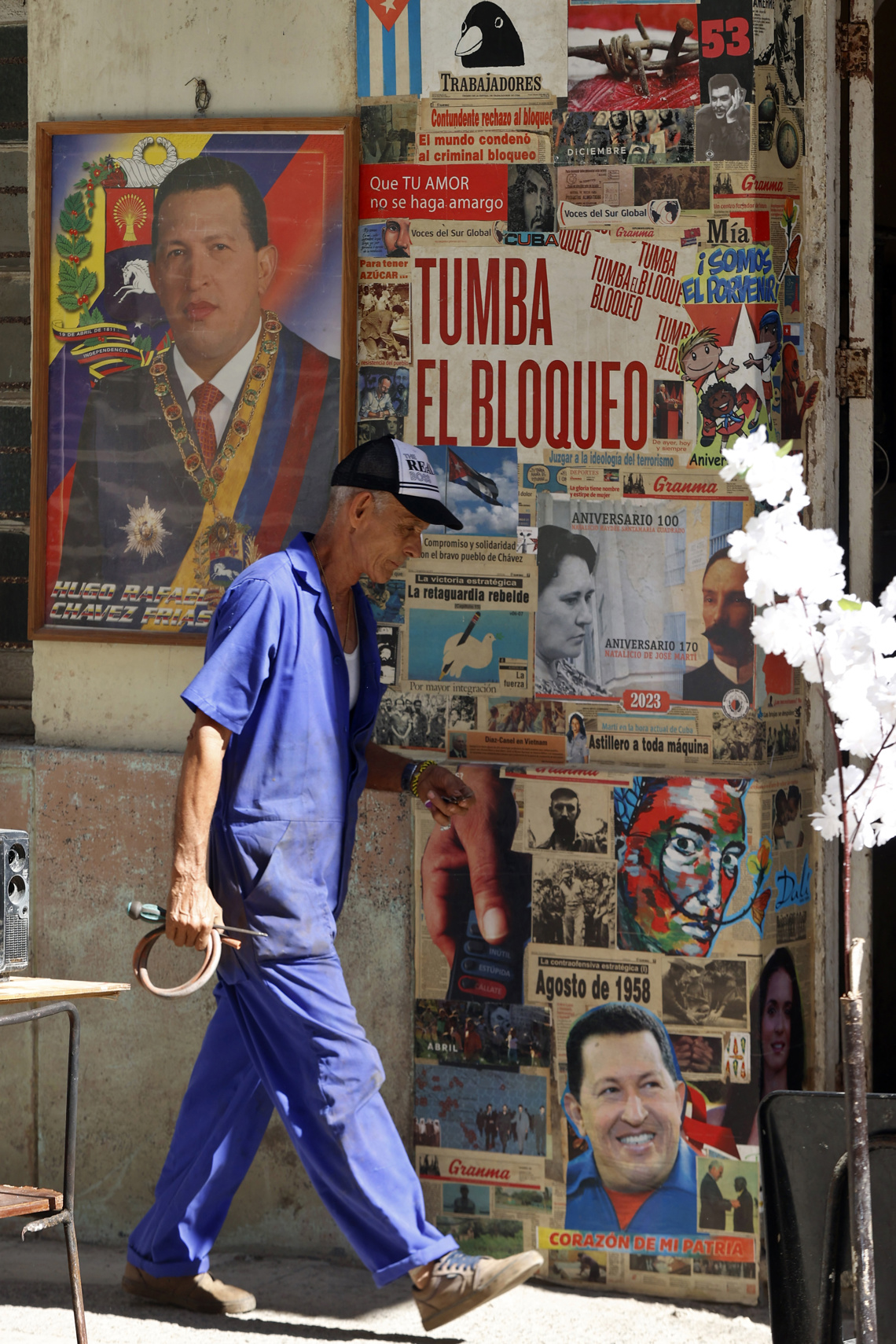
Photo: EFE/ Ernesto Mastrascusa.

In conclusion, we return to the initial topic of these notes. What would be the purpose of domestic policy in this geopolitical situation?

Looking back on Obama's brief summer, the most complicated issue wasn't the impact of his rhetoric on civil society, the effect of his "nice guy" image on Cubans accustomed to classic imperial arrogance, or the slowness of our ideological apparatuses to adapt to the new context. The most delicate matter was the link between progress in bilateral relations and the dynamics of the ongoing reforms. 

Many of the issues on the pending agenda for Cuban reforms lie in areas that overlap with the U.S. agenda toward Cuba. These include, for example, the expansion of the private sector and the incentives provided for its development; freedom of expression and the true autonomy of the media; internet access and efficiency; the status of Cuban emigrants and their citizenship rights; pending legislation on associations, the right to public protests, assembly, and religious worship; and so on. This U.S. agenda negatively impacts these issues politically.

For this reason, a coherent domestic policy—one that is neither reactive nor driven by short-term considerations—would require advancing internal and external changes that strengthen its autonomy and decouple it from the dynamics of bilateral relations. In other words, it is essential to prevent the meaning and purpose of these changes from being distorted in the eyes of the public, and, on the contrary, to reinforce the consensus necessary for their implementation, which has been weakened by years of crisis and ineffective policies. Effective communication regarding the nature of these internal changes, their scope, and political implications would also be key to contributing to a proper understanding of our foreign policy, including our policy toward the United States.
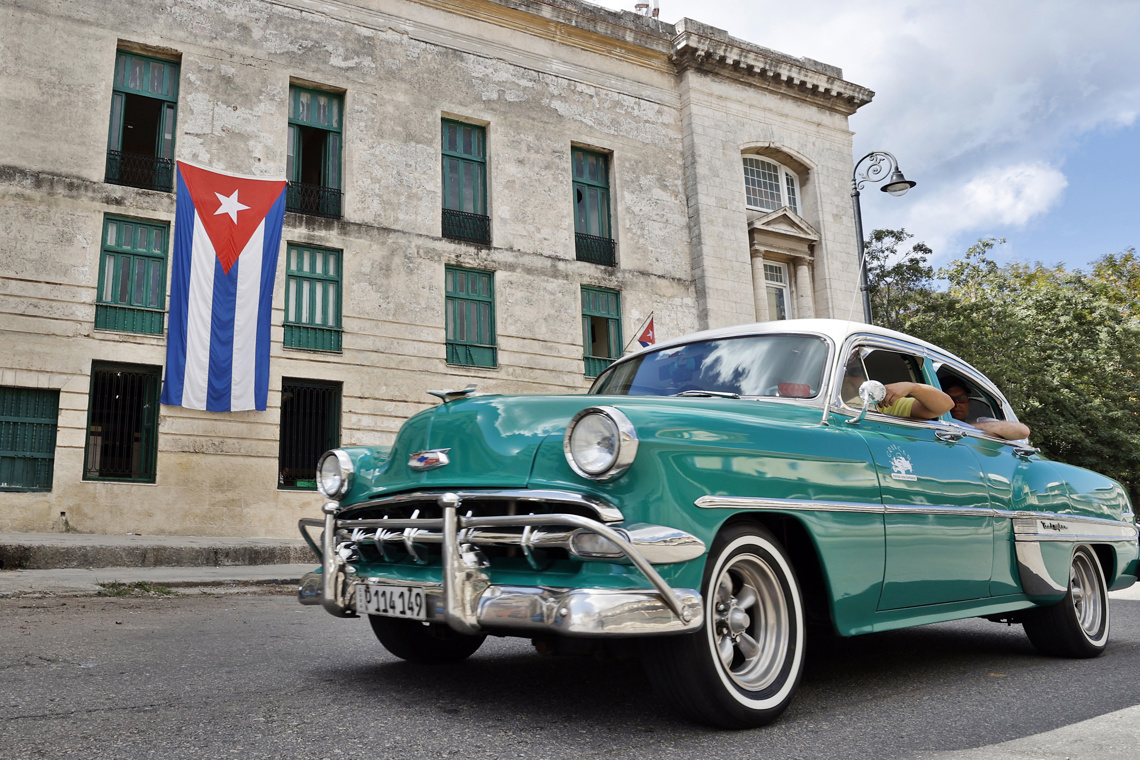
Photo: EFE/ Ernesto Mastrascusa.

What should be done, given the circumstances created by the intervention in Venezuela and the outlook for 2026? What should be the priority policies, consistent with a strategy to overcome the crisis and address the complexity of the moment? How can we move forward, facing the challenges and strengthening consensus, without succumbing to the siege mentality?

I passed these questions on to a group of researchers of Cuban economics and politics, of varying ages and backgrounds, who live here and are active in some of our institutions. I conclude these notes with a summary of their responses, which I asked them to keep brief.

1. Reform and restructuring of the general business sector, primarily state-owned. Resizing it, expanding the powers of these companies; and introducing market mechanisms into their operation to overcome bureaucratic inertia. 

2. A policy of financial and banking reform and transparency (including a new tax policy); and a proactive monetary policy that guarantees a single (economically sound) floating exchange rate for the entire economy. 

3. Consolidate, expand, deepen, and revitalize trade relations with Russia and China. Activate economic and political diplomacy with other countries to secure fuel supply lines (Mexico, Russia, Iran, Algeria, Angola).

4- Stimulate exports through all possible means. Secure new agreements in other regions (Africa and eventually Asia), especially for exporting medical services.

5. Develop initiatives to resolve external debt defaults, including asset issuance, bond issuance, etc., with the aim of opening up international credit lines and encouraging greater foreign investment. Implement a more decisive opening to foreign capital and provide greater ease in conducting business, including for Cubans residing abroad, for whom an expedited process (fast track) should be established.

6. Promote food production, including sugar cane.

7. Replace the centralized economic planning for the allocation of material and financial resources inherited from the USSR. Establish the market as the regulator of the state and non-state economy. Maintain centralized state planning to determine the strategic development of the economy and to prevent market deviations that affect the population, especially the most vulnerable.

8. Convert most state-owned enterprises into publicly traded companies, which can be acquired by workers and other domestic and foreign individuals and legal entities. The management of these companies should be decided by their own workers, who would be responsible for nominating and electing the main business leaders.

9. Implement the various forms of direct democracy, where citizens make decisions on binding public matters. In the 2028 general elections, the Candidacy Commissions should nominate two candidates for each parliamentary seat, and the same procedure should be followed in the next elections for the CCP and mass and social organizations.

As some of them warn me, none of this has a technical-economic character separate from political processes that must flow and be negotiated in parallel; and that building consensus from the bottom up is key to understanding the risks that must be taken, what must be given up or sacrificed. 

I would only add that, while reforms must be designed and implemented by the state, ours involve renewing a social pact, which can only be achieved openly with society. Avoiding this confrontation, for any reason or convenience , would be meaningless as a socialist policy. 


https://oncubanews.com/opinion/columnas/con-todas-sus-letras/cuba-ante-eeuu-lecciones-y-antilecciones-de-la-intervencion-en-venezuela/


Monday, January 12, 2026

La Joven Cuba on Defeating Trumpism

 To confront Trumpism, the Cuban government has to look inward.

by

Mariana Camejo

 and 

Harold Cardenas Lema

January 7, 2026


Trumpism expects Cuba to fall soon. This was also expected in the early 1990s, and it didn't happen, but this is not the Cuba of those times. Today, amidst a sustained systemic crisis that has eroded the government's credibility, it is this government, and no other, that has had to confront a long-standing conflict. Operating as it has been, it has little room for maneuver and little political capital; but there are steps it could take to unite as many Cubans as possible around the flag.

However, adaptability is not the usual practice of the Cuban government, which is accustomed to speaking only to its most loyal followers and prefers to entrench itself in hostile contexts. This attitude not only hinders external influence but also restricts the possibility of addressing internal problems, because it interprets criticism and recommendations that could contribute to solving them as a threat. In any case, without profound reform, it will be difficult to build consensus.

This change begins by viewing sovereignty as the existence of a political community that has a voice, rights, and agency, and not merely as the argument on which to build discourses of resistance or heroism; the reason of state in the face of foreign interference. 

It is naive to believe that national sovereignty can be preserved without addressing individual sovereignty, because a state can declare itself sovereign, but a country will only truly be sovereign if its citizens feel they have control over their destinies, if they see themselves as active participants in the national project, if they have something they consider worth defending. Therefore, the unity that is essential to resist external pressures constitutes political capital that is lost by closing off spaces for public participation and gained by opening them up. The unity of a majority, then, is a construct achieved through political action; not through obedience, but through consensus.

That said, the truth is that reserves of legitimacy and consensus still exist that Cuban authorities could draw upon, but so far they don't seem to have the ability or the will to exploit them. Furthermore, they have lost the capacity for truly mobilizing political initiative and reaction. An example of this was the initial response to the military operation in Venezuela: public events lacking genuine enthusiasm, repetitive slogans, and a staged performance that, again, indicates a greater focus on demonstrating control than on building popular support. Political acumen would interpret the moment as an opportunity to broaden their social base or at least unite the citizenry. That can't be achieved with a simple rally: fists raised, down with imperialism!

The issue here is that there is a difference between appealing to symbolic gestures and conducting politics in the public interest. The Cuban government may be the target of economic persecution, but it should have understood long ago that this does not justify its actions in the face of public perception, which judges it for erratic or misguided decisions regarding the country's management, not only in economic terms. Decisions, incidentally, that are often interpreted as deliberate and detrimental to the people.

Before Cuba existed as an independent nation, before the first communist party emerged, or before anyone with the surname Castro arrived at what is now known as the Palace of the Revolution, US political groups were already proclaiming their interest in the island. Long before Maduro faced his first contested election in 2018, there were repeated attempts to oust the government or force political change in Venezuela, despite Chávez winning four presidential elections democratically and Maduro at least one. Control of the region is a historical imperial ambition that transcends any ideology, and Trumpism doesn't even bother to pretend that democratic legitimacy is the driving force behind its regime-change efforts.

Although the Trump administration has constructed a narrative of glorification and victory surrounding the events of Saturday, January 3, these events could be interpreted not as a sign of strength but rather of weakness and retreat. This is because it signifies a relinquishment of global influence that is difficult for the administration to maintain, and therefore a withdrawal to its sphere of influence: Latin America. The fact that the Trump administration relies on theatricality and psychological impact of its military operation, rather than diplomatic language or democratic "arguments" to justify it, indicates an intentional shift in its foreign policy, which no longer rests on international consensus. This explains the explicit interest in oil, the dismissal of the Venezuelan opposition, and the explicit adoption of the Monroe Doctrine.

The word that best describes this policy is imperialism , but it comes with a weariness stemming from its over-saturation by official propaganda. It occurs at a time of widespread frustration with the inertia and exhaustion from the effects of a prolonged polycrisis. Therefore, many view the illegal military operation as "liberating." This is a reality that cannot be ignored, unless one intends political suicide. 

It is important to note that the Monroe Doctrine, in its Trumpian version, does not represent the national interest of the United States nor the will of its people. A Reuters/Ipsos poll indicates that only a third of Americans approve of Maduro's illegal capture, and 72% are concerned about the country becoming too involved in Venezuela. Furthermore, voices within the Democratic Party reacted critically to the operation, prompting a response from the White House. One of its most popular figures today, New York City Mayor Zohran Mamdani, called it a violation of federal and international law.

But no one with common sense in Latin America should sit idly by waiting for democrats to rein in an administration that despises and disregards even its own institutions and laws. To respond effectively, left-wing governments need democratic legitimacy and results. Legitimacy that comes from credible elections and governance that strengthens the relationship between left-wing parties and the citizenry. Claudia Sheinbaum is setting an example in this regard. Both this democratic legitimacy and the results must be evident to the public, and truly be so, not just appear to be.

But how can one mobilize sentiment in favor of sovereignty when, for many, it's a minor issue? Especially when food is increasingly scarce, while the perception grows that the country's political class lives in privilege. When Raúl Guillermo Rodríguez Castro (El Cangrejo) frequently travels to Panama in private jets and is rumored to frequent luxury restaurants without paying the bill—and he's not the only one doing so. When one of Fidel Castro's sons is a golf champion in Varadero. When the president's family is included on official trips despite holding no public office, and when the children of leaders live comfortably abroad. And on top of all this, when there's a terrible lack of openness and transparency about it all. Subsidies and free services ended for ordinary citizens at the end of 2008; not so much for high-ranking officials.

Anyone who wants to talk about rescuing the country's project, while juggling to avoid the issue of corruption, what values ​​and moral compass do they truly intend to use to address the majority? How can one identify with a project that, in the popular imagination, is perceived as benefiting a political class rather than the people's well-being? There are also far too many instances of heavy-handed tactics, abuses of power, political inertia, and the policing of dissent. The State should not easily succumb to these authoritarian temptations, both those that came to us from the USSR and those that were already present at home.

It will be a pipe dream to generate political capital against Trumpism by invoking (necessary) sovereignty, when lives of privilege are plain for all to see. Without radical action against corruption among leaders, against authoritarianism, and in favor of genuine accountability, no one knows for sure how many share the sentiment of protecting national interests and perceive the Trump administration's disregard for sovereignty as a threat rather than a source of hope.

Too often, the Communist Party delegates matters that fall under its purview to the Ministry of the Interior, matters that, in Fidel Castro's time, had political solutions, even if not always the most appropriate ones. The current internal crisis is not only a product of unilateral coercive measures by the United States, but also of democratic shortcomings in the country's political apparatus and debts accumulated over time; warnings have been plentiful. 

With so much danger to the country's sovereignty, the worst political move is inaction, apathy, and complacency; or to turn critical citizens who want to contribute to the country's development into political enemies. Expanding democratic freedoms, releasing political prisoners, creating avenues for dissent, and implementing a comprehensive economic reform with a social focus to address inequalities are among the key issues Cuba faces today.

The threat of Trumpism to the island and the United States itself cannot be underestimated. It goes against all internal logic for Cuban authorities to embrace this change, but the question is not whether the rulers are comfortable with the level of reform needed, but rather whether they will respond to public demand. When a country is under aggression, the citizenry generally closes ranks with its government, but only if it feels that the government represents its interests. To confront Trumpism, the Cuban government must begin to look inward.


Spanish original   https://jovencuba.com/trumpismo-gobierno/

Friday, January 2, 2026

CIPI Paper by Philip Brenner on the End of Ideology in US Policy


The End of Ideology in the Making of U.S. Policy toward Cuba

By Philip Brenner

American University

Prepared for Presentation at the XXIII Edition in a Series de Conversations, “Cuba in the Foreign Policy of the United States of America,” with the theme: “The Return of Trump: Current and Future Impact on Cuba,” 16 December 2025


Introduction

  Cuba’s rejection of U.S. hemispheric hegemony after 1959 took on a special meaning in the context of the Cold War, because U.S. policymakers’ perceptions of threats to U.S. power became more important than the reality of those threats. After the Cold War ended, the influence of U.S. ideology on U.S. policy diminished, although it was still evident as a justification for U.S. hostility. This paper examines whether ideology has diminished even further since the start of the Trump administration, and may no longer be a meaningful factor in shaping U.S. policy toward Cuba.


Cold War Ideology

National security analyst Gregory Treverton summarized the prevailing view among policymakers as late as 1989 in observing that “Cuban actions both in and beyond Latin America inject that country to the center of East–West, and U.S.–Soviet, relations. Whatever the fact, it is impossible for Americans not to regard Cuba as a kind of Soviet ‘hired gun’ in the Third World.”[1] In fact, the Soviet leaders did not perceive that they had Cuba leader Fidel Castro or Cuba under their control at all, and they repeatedly conveyed their displeasure about Cuban actions between 1965 and 1968. In turn, by 1968 Cuban leaders believed that the Soviet Union was engaged in efforts to replace them with the former leaders of the Popular Socialist Party.[2]

Despite the reality of the Soviet-Cuban relationship, Cuba’s rejection of U.S. hemispheric hegemony took on a special meaning in the context of the Cold War, because policymakers’ threat perceptions were guided by a set of ideological assumptions, established shortly after World War II, which divided the world into two hostile camps, the western one dominated by the United States and the eastern one dominated by the Soviet Union. Policymakers at the time believed that most global events could be tallied on a “zero-sum” balance sheet: a gain for the Soviet Union would necessarily be a loss for the United States, and vice-versa. They thus believed that U.S. policy toward a country should be guided by the single criterion of whether or not it stood with the United States against an imagined global communism whose head lay in Moscow.[3]  In this global war all areas of the world were of equal importance, as officials assumed that U.S. interests formed a seamless web. Just as a tear in a fish net will let the fish escape regardless of where the hole forms, so the resulting U.S. global containment strategy assumed that a defeat anywhere was a defeat everywhere.

This assumption rested on the view that global communism was monolithic and aggressive. If the United States did not defend supposed interests in its own backyard, then Soviet agents might be encouraged to attack U.S. interests in Asia and Africa, or even in Europe. As the dominoes fell so would U.S. security. Political scientists Peter Smith and Ana Covarrubias succinctly summarize the U.S. outlook: “In the eyes of Cold Warriors, the consolidation of any left-wing regime in the Western Hemisphere would have dire and dangerous implications for U.S. national security and for the global distribution of power.”[4] 

Policymakers were thus primed to believe that Cuba’s challenge would create the perception of U.S. weakness, regardless of whether the Soviet Union backed Cuba’s initial forays in Latin America. Cold War ideology took full control of U.S. policy toward Cuba, because the small island seemed to pose an enormous security problem, well beyond the harm it could inflict on particular U.S. interests in the hemisphere. For example, a May 1961 interagency task force report emphasized that Cuba and Fidel Castro himself were threats because of the damage they could inflict on U.S. prestige, and hence power, rather than as a result of the harm they might pose to particular U.S. interests.[5]


Post Cold-War Ideology

While the Cold War ideological framework was perhaps the major factor in explaining U.S. policy toward Cuba for the first thirty years of the Revolution, this ideological underpinning of U.S. policy did not disappear completely when the Cold War ended. With the collapse of the Soviet Union, some U.S. policymakers believed the global order had arrived at a “unipolar moment.” From this perspective, the United States would lead the entire world – not merely the Western Hemisphere – as a hegemonic power.[6]

It is important to distinguish the idea of hegemony from that of imperialism. Both require a country with extraordinary military and economic power. An imperial state seeks power in order to dominate other states and extract wealth from them, or prevent them from gaining power that would potentially threaten the imperial state’s ability to dominate. In contrast, a state that aspires to hegemony seeks power in order to develop and maintain a system from which it benefits, largely because it shapes the rules that govern the system. An imperial power tends to fear and avoid any loss, because such a loss would seem to threaten its control and might encourage further losses. In contrast to an imperial state, a hegemonic power is willing to accept occasional losses that are generated by the system’s rules because it recognizes that other countries must believe the rules governing the system are fair. For example, in the 1990s, the United States was willing to abide by World Trade Organization decisions that did not favor the United States.[7]

From this point of view, Cuba continued to be an irritant if not a challenge to the U.S. aspiration of being the global hegemon, and in effect to the post-Cold War order itself. Even though Cuba was a member of the World Trade Organization, it rejected participation in the International Monetary Fund, the World Bank, and the Inter-American Development Bank – key institutions by which the United States shaped the world order it hoped to stabilize. Cuba also opposed U.S. plans for a Western Hemisphere free trade pact (the Free Trade Agreement of the Americas), and in 2004 established an alternative, the Bolivarian Alliance for the Peoples of Our America (ALBA). In addition, as the United States sought to make electoral democracy a defining characteristic for each state in this new global order, Cuba’s exclusion from the Inter-American Democratic Charter made it a pariah state.

Thus in the immediate post-Cold War period, ideology did continue to play a role in shaping U.S. policy toward Cuba, as the U.S. vision of hegemonic domination was an ideological lens through which many policymakers defined U.S. national interests. However, domestic U.S. politics appears to have been an equal if not more important factor in this period.[8] As Saul Landau and I assessed in 1990:

With the Cold War against the Soviets nearly over, and ideological zealots replaced by pragmatic ‘realists’ in the White House, Cuba's importance on the grand strategy

board has diminished. Although belligerent rhetoric makes the Bush Administration's policy seem similar to Reagan's, the White House today has less interest and concern than its predecessor in the revolution 90 miles from the Florida coast. U.S. goals--the destruction or

surrender of the revolution--remain the same. But the administration has allowed the policy ball to move into Congress's court.[9]

In the legislature, the Cuban American lobby had acquired significant political power through carefully targeted campaign donations and the arrival of Cuban American members in the House of Representatives. By 1991 they succeeded in passing the Mack Amendment, which would have removed a 1975 executive order allowing third country subsidiaries of U.S. corporations to trade with Cuba, and would have prohibited ships that docked in Cuba from coming to the United States for six months. President George H.W. Bush vetoed the legislation in response to demands from U.S. trading partners such as Canada. But in 1992, at a point of desperation in his presidential campaign, Governor Bill Clinton endorsed the Cuban Democracy Act or CDA -- a new version of the Mack Amendment -- sponsored by Robert Torricelli, a New Jersey Democratic Representative. In turn, Clinton received nearly $275,000 in Cuban American campaign donations.[10] President Bush then felt compelled to sign the CDA, fearing that otherwise he might not be able to carry Florida and New Jersey in the 1992 election. Similarly in 1996, President Clinton felt compelled to sign the 1996 Helms-Burton Law (the Cuban Liberty and Democratic Solidarity Act of 1996) in his pursuit of Florida votes for his re-election campaign. The two laws became the major constraint on U.S. policy toward Cuba for the next two decades. 


The Role of  Ideology Diminishes Further

The importance of domestic policy became even more potent during the administration of George W. Bush. Cuban exiles had cemented Florida’s electoral votes for Bush – in voting for him and by disrupting the re-count in Miami -- which enabled him to claim victory in the 2000 election. But by 2003 he had given them little reward, which openly angered them. In response, Bush created the Commission for Assistance to a Free Cuba, which, in its own words, “sought a more proactive, integrated, and disciplined approach to undermine the survival strategies of the Castro regime and contribute to conditions that will help the Cuban people hasten the dictatorship’s end.”[11]

The last five chapters of the report described a post-Castro, U.S.-governed transition to a market democracy that were reminiscent of halcyon days in the early twentieth century when U.S. proconsul governors ruled Cuba. While few analysts treated the pie-in-the-sky transition plans as if they were serious, their attention was drawn to the first chapter – “Hastening Cuba’s Transition” – because it contained several proposals that the president accepted and put into immediate effect. These included: restrictions on family visits, so that Cuban-Americans would be able to return to the island only once every three years and would be allowed to spend no more than $50 per day on lodging and food; restrictions on remittances, so that U.S. citizens would be permitted to send money only to immediate family members in Cuba; restrictions on educational travel, so that U.S. colleges and universities would be licensed only for programs lasting at least ten weeks; increased funds for political opponents of the government inside Cuba and for U.S.-based programs designed to support dissidents; and stepped-up propaganda efforts, using U.S. military aircraft to transmit Radio and TV Martí broadcasts to Cuba.[12] This comprised a wish list that hard-line Cuban Americans has been advocating for more than a decade.

During the 2008 presidential campaign, Barack Obama focused on the unpopularity within the Cuban American community of Bush’s draconian policy. He promised to reverse some of the measures that constrained family engagement, and he won almost a majority of Florida’s Cuban vote. As promised, early in his administration, he ended restrictions on their travel and the sending of remittances. In 2013, when he directed his Deputy National Security Adviser Ben Rhodes to pursue negotiations with Cuba, he appears to have been motivated largely by a hope of increasing U.S. influence in Latin America. According to Rhodes, he also hoped an opening might catalyze “reforms on the island,” which suggests ideology did play a small role in his initiative.[13]  


Trump and the Return of Power Politics

Trump’s Western Hemisphere foreign policy emerged with clarity when John Bolton became National Security Adviser in 2018. While Trump issued the bellicose National Security Presidential Memorandum NSPM–5 (entitled ‘‘Strengthening the Policy of the United States Toward Cuba’’) in June 2017, he kept in place nearly all of the agreements the Obama administration had completed with Cuba. He imposed new sanctions only in September, after members of Congress repeatedly demanded the White House respond to claims by U.S. diplomats that they had experienced health anomalies associated with the so-called Havana Syndrome. But their symptoms started occurring in November 2016, so that Trump could have used their health as an excuse for a more hostile policy from his first day in office. His main action in 2017 was to reduce the size of the Havana embassy’s staff and insist that Cuba also reduce the size of its embassy’s staff in Washington, which had the effect of limiting migration.

Bolton, though, sought a muscular foreign policy in Latin America. In November 2018 he included Cuba in what he called a “Troika of Tyranny,” asserting that “this triangle of terror stretching from Havana to Caracas to Managua, is the cause of immense human suffering, the impetus of enormous regional instability, and the genesis of a sordid cradle of communism in the Western Hemisphere.”[14]  He promised the United States would aggressively pursue the overthrow of each country’s government. In the next two years, the Trump administration followed up with a series of sanctions that culminated in returning Cuba to the State Department’s list of state sponsors of terrorism and in choosing not to waive Title III of the Helms-Burton law. While Bolton claimed that the policy was rooted in an ideological commitment to democracy, his and Trump’s support of authoritarian governments belied their pretense that the policy was engendered by a desire to promote democracy. As with their general approach to foreign policy, hostility towards Cuba (as well as toward Venezuela and Nicaragua) was based on their quest for dominance and Cuba’s refusal to acquiesce to U.S. power.

In addition, it was not mere coincidence that Bolton announced the policy in Miami. He pointedly observed: “I’m here on behalf of the President because we’ve got some important policy concerns to address with respect to Latin America, and I couldn’t think of a better place really to try and discuss them.” Thus, in addition to asserting the right to dominate the Western Hemisphere, a second factor that shaped the policy was domestic electoral politics, namely, appealing to emigres in Florida from Cuba and Venezuela to secure their votes.

Given that President Joe Biden essentially maintained Trump’s policy until his last few weeks in office, one might argue that his Cuba policy was rooted in power politics also. But Biden actually devoted little attention to Latin America except for concerns about immigration and drugs which were, in effect, domestic electoral concerns. Similarly, the ultimate source of his Cuba policy was his misguided hope that antagonism towards Cuba would ultimately gain votes for Democrats in Florida, and even help him win re-election in 2024.[15]

When he returned to the presidency in 2025, Trump immediately reversed Biden’s relaxation of sanctions. No surprise here. The surprise was that he did not do much more. In June 2025, he re-issued the 2017 National Security Presidential Memorandum (NSPM-5), but did little else beyond adding some Cuban officials and hotels to sanction lists and discontinuing the issuance of visas for family visits and ending a humanitarian parole program.[16] While Trump asserted in NSPM-5 that “I will seek to promote a stable, prosperous, and free country for the Cuban people,” Cuba policy seemed to be guided more by fear that worsening economic conditions and more U.S. pressure might lead to an uncontrollable and unwanted influx of migrants from Cuba.

To be sure, there have been some policymakers who have sought to resurrect a new Cold War ideological justification for U.S. policy in the Western Hemisphere. For example, in his February 2025 posture statement, Admiral Alvin Holsey, Commander of the U.S. Southern Command, asserted that “China’s long-term global campaign to become the world’s dominant geostrategic power is evident in the Western Hemisphere.”[17] Identifying such an alleged threat unquestionably served the interest of his usually under-supported Command. But the November 2025 National Security Strategy emphasizes the economic “inroads” made by “non-Hemispheric competitors,” which it proposes to counter with more assertive economic initiatives.

Notably, the National Security Strategy does not even mention Cuba, and the document may not even guide policy. It seems to be a patchwork of assertions – some contradicting others -- aimed at  satisfying different interests within the Trump administration. But its general thrust is consistent with Trump’s goal of global retrenchment and establishing the United States as a regional hegemon. It boldly states, “we will assert and enforce a ‘Trump Corollary’ to the Monroe Doctrine.[18] As with the original Monroe Doctrine, and the Roosevelt and Wilson Corollaries, this is not a statement of ideology. It is an assertion of crude power in pursuit of extracting wealth and privilege. Indeed, in the manner of would-be emperors before him, Trump’s actions in the region may also reflect his whims of the moment and corrupt interests. For example, it would be difficult to explain Trump’s pardon of former Honduran president Juan Orlando Hernández, or similarly his effort to manipulate the verdict against former Brazilian president Jair Bolsonaro, as evidence of a coherent ideology.

Cuba policy now seems to fit the general pattern. Cuba is a nuisance, an “infernal little republic” as President Theodore Roosevelt remarked, because it will not succumb to U.S. dictates. Trump and Rubio may invoke “democracy” in NSPM-5, declaring that the “Cuban people have long suffered under a Communist regime that suppresses their legitimate aspirations for freedom.” But Trump’s support for brutal, authoritarian rulers, and his hollowing out of democratic institutions, procedures and norms in the United States, make a mockery of any claim that he has professed about a genuine concern for democracy. Power politics and domestic political interests govern U.S. policy toward Cuba. The role of ideology has been declining for more than thirty years, and it is now at its end. Ideology is no longer a meaningful factor in shaping U.S. policy toward Cuba policy.


Notes


[1] Gregory F. Treverton, “Cuba in U.S. Security Perspective,” in U.S.–Cuban Relations in the 1990s, eds. Jorge I. Domínguez and Rafael Hernández (Boulder, Colo.: Westview, 1989), p. 71. For example, in 1967 President Lyndon Johnson thought he could curtail Cuban support for liberation movements in Latin America by asking Soviet Premier Alexei Kosygin to pressure Fidel. See: “Telephone Conversation Between President Johnson and Former President Eisenhower,” June 25, 1967, Foreign Relations of the United States, 1964–1968, Volume XIV, Soviet Union, doc 237 at: https://history.state.gov/historicaldocuments/frus1964-68v14/d237.

[2] James G. Blight and Philip Brenner, Sad and Luminous Days: Cuba’s Struggle with the Superpowers After the Missile Crisis (Lanham, MD: Rowman and Littlefield, 2002), chapter 4.

[3] These assumptions were embodied in a 1950 policy paper prepared for and adopted by the National Security Council, “NSC-68: United States Objectives and Programs for National Security.” See: Foreign Relations of the United States, 1950, National Security Affairs; Foreign Economic Policy, Volume I, Document 85, April 14, 1950; available at: https://history.state.gov/historicaldocuments/frus1950v01/d85. Also: Ernest R. May, American Cold War Strategy: Interpreting NSC 68 (Boston: Bedford Books, 1993).

[4] Peter H. Smith and Ana Covarrubias, Talons of the Eagle: Latin America, the United States, and the World, 5th  ed. (New York: Oxford University Press, 2022), p. 160.

[5] “Paper Prepared for the National Security Council by an Interagency Task Force on Cuba, Washington, May 4, 1961, FRU.S. 1961-1963, Vol 10, Document No. 202; at: https://history.state.gov/historicaldocuments/frus1961-63v10/d202.

[6] Hal Brands, Making the Unipolar Moment: U.S. Foreign Policy and the Rise of the Post-Cold War Order (Ithaca: Cornell University Press, 2016).

[7] For example, see World Trade Dispute Settlement DS174: “European Communities — Protection of Trademarks and Geographical Indications for Agricultural Products and Foodstuffs,” at: https://www.wto.org/english/tratop_e/dispu_e/cases_e/ds174_e.htm.

[8] Philip Brenner, Patrick J. Haney and Walter Vanderbush, “The Confluence of Domestic and International Interests:  U.S. Policy Toward Cuba, 1998-2001,” International Studies Perspectives, May 2002.

[9] Philip Brenner and Saul Landau,  “Passive Aggressive,” NACLA Report on the Americas, 24:3 (November 1990), p. 14.

[10] William M. LeoGrande and Peter Kornbluh, Back Channel to Cuba: The Hidden History of Negotiations Between Washington and Havana (Chapel Hill: UNC Press, 2014), pp. 270-71;  Walt Vanderbush and Patrick J Haney, “Policy toward Cuba in the Clinton Administration,” Political Science Quarterly, Fall 1999.

[11] The report is available at:  https://www.american.edu/centers/latin-american-latino-studies/upload/bush-commission-report.pdf.

[12] This paragraph is drawn from Soraya M. Castro Mariño and Philip Brenner, “The George W. Bush-Castro Years,” in Fifty Years of Revolution: Perspectives on Cuba, the United States, and the World, eds. Soraya M. Castro Mariño and Ronald W. Pruessen (Gainesville: University Press of Florida, 2012), p. 306.

[13] Ben Rhodes, The World as It Is: A Memoir of the Obama White House ( New York: Random House, Kindle Edition, 2018), p. 212.

[14] “Remarks by National Security Advisor Ambassador John R. Bolton on the Administration’s Policies in Latin America,” November 2, 2018; available at: https://trumpwhitehouse.archives.gov/briefings-statements/remarks-national-security-advisor-ambassador-john-r-bolton-administrations-policies-latin-america/.

[15] Kelly Hayes, “DNC launches ad promoting Joe Biden support for Cuban liberty,” Florida Politics, July 25, 2021; at: https://floridapolitics.com/archives/443447-dnc-launches-new-ad-promoting-joe-biden-support-for-cuba/. Also see: Guillermo J. Grenier and Qing Lai, “THE 2024: FIU CUBA POLL: HOW CUBAN AMERICANS in

South Florida View U.S. Policies Towards Cuba, Critical National Issues and the Upcoming Elections,” Cuban Rersearch Institute, Florida International University, October 2024; at: https://cri.fiu.edu/research/fiu-cuba-poll/the-2024-fiu-cuba-poll-report-final.pdf.

[16] William M. LeoGrande, “Trump Appears to Move off Regime Change Approach to Cuba,” Foreign Policy, July 10, 2025, at: https://foreignpolicy.com/2025/07/10/trump-cuba-regime-change-united-states/; “National Security Presidential Memorandum/NSPM-5,” June 30, 2025, at: https://www.whitehouse.gov/presidential-actions/2025/06/national-security-presidential-memorandum-nspm-5/.

[17] “Statement Of Admiral Alvin Holsey Commander, United States Southern Command Before the 119th Congress Senate Armed Services Committee,” 13 February 2025; at: https://www.southcom.mil/Portals/7/Documents/Posture%20Statements/2025_SOUTHCOM_Posture_Statement_FINAL.pdf.

[18] National Security Strategy of the United States of America, The White House, November, 2025, p. 5 (available at: https://www.whitehouse.gov/wp-content/uploads/2025/12/2025-National-Security-Strategy.pdf. Also see: Jack Nicas, “The ‘Donroe Doctrine’: Trump’s Bid to Control the Western Hemisphere,” New York Times, November 17, 2025; at: https://www.nytimes.com/2025/11/17/world/americas/trump-latin-america-monroe-doctrine.html. Also see: Jordana Timerman, “Un Imperio Sin Pretextos,” Le Monde Diplomatique, Edicion 318, diciembre 2025; at: https://www.eldiplo.org/318-las-garras-de-estados-unidos-sobre-america-latina/un-imperio-sin-pretextos/.